

Shanghai OFEC Machinery Co., Ltd.

Shanghai OFEC Machinery Co., Ltd.

E-mail: david@emccindustry.com

Contact Us

Home / Industry / Compost Fertilizer

Compost Fertilizer

OFEC provides complete equipment and process solutions for the resource utilization of organic waste through composting. Composting is the process of converting organic waste into stable humus through aerobic microbial fermentation. OFEC offers three types of compost turning equipment to suit different fermentation scenarios, with capacities ranging from small-scale farms to large-scale industrial composting facilities.

Driven by the global expansion of organic farming, policies promoting waste-to-resource initiatives, and rising awareness of soil health, the composting industry is rapidly transitioning from traditional "open-air stockpiling" to "mechanized, standardized, and large-scale" operations. Converting organic waste into stable, harmless compost products not only solves waste disposal challenges but also provides high-quality soil amendment materials for agricultural production.

Industry Overview

Composting is the process of converting organic waste (food scraps, plant residues, animal manure, etc.) into stable humus through aerobic microbial decomposition. During the composting process, raw materials undergo complex biochemical reactions under the action of aerobic microorganisms. Organic matter is broken down and transformed into stable humus, while heat is generated, raising the pile temperature to 55–70°C – effectively eliminating pathogens, parasite eggs, and weed seeds.

Compost products are rich in organic matter, humic acid, and nutrients. They improve soil structure, increase organic matter, boost water and nutrient retention, and stimulate microbial activity – serving as a cornerstone for soil health and sustainable farming.

Typical Process Flow

Industrial compost fertilizer production typically follows this standard process:

Raw Material Collection → Pre-treatment (Crushing/Sorting/Moisture Adjustment) → Composting (Aerobic Fermentation) → Curing & Maturation → ScreeningGranulation (Optional) → Drying & Cooling (Optional) → Packaging & Storage

Process Stage Breakdown:

Stage

Core Task

Key Equipment

Raw Material Collection

Collection, storage, and transport of organic waste

Conveying systems, loaders, storage facilities

Pre-treatment

Crushing, sorting, moisture and C/N ratio adjustment, microbial inoculation

Crusher, mixer, batching system

Composting

Aerobic fermentation – maintaining optimal temperature and oxygen supply

Compost turner (hydraulic / wheel-type / groove-type)

Curing & Maturation

Further stabilization of compost product

Curing yard, turning equipment

Screening

Separating finished humus from impurities

Trommel screener

Granulation

Forming powdered compost into uniform pellets (optional)

Drum / disc granulator

Drying & Cooling

Reducing pellet moisture to safe storage levels (optional)

Rotary dryer, cooler

Packaging & Storage

Automatic weighing, bagging, and palletizing

Automatic packaging machine, palletizing system

Stage
Core Task
Key Equipment
Raw Material Collection
Collection, storage, and transport of organic waste

Conveying systems, loaders, storage facilities

Pre‑treatment

Crushing, sorting, moisture and C/N ratio adjustment, microbial inoculation

Aerobic fermentation – maintaining optimal temperature and oxygen supply
Curing & Maturation
Further stabilization of compost product
Curing yard, turning equipment
Separating finished pellets from returns

Trommel screener

Forming powder materials into uniform pellets (optional)

Drum / disc granulator

Reducing pellet moisture content to safe storage levels (optional)

Packaging & Storage

Automatic weighing, bagging, and palletizing

Automatic packaging machine, palletizing system

Sources of Compost Raw Materials

Livestock Manure
Pig manure, chicken manure, cow manure, sheep manure, and other farming wastes
Agricultural Straw
Corn straw, wheat straw, rice straw, and other crop residues
Food Waste
Organic waste from households and catering businesses
Municipal Sludge
Biological sludge from municipal wastewater treatment plants
Garden Waste
Fallen leaves, branches, grass clippings, and other green waste
Industrial Organic Waste

Distiller’s grains, sugar filter mud, pharmaceutical residue, fruit pomace, etc.
OFEC provides complete equipment and process solutions for compost fertilizer production, covering all core processes from raw material handling to finished product packaging.
1. Composting System
Composting is the core stage in organic waste resource utilization, directly determining the maturity and quality of the compost product. OFEC offers three types of compost turning equipment to suit different fermentation scenarios:
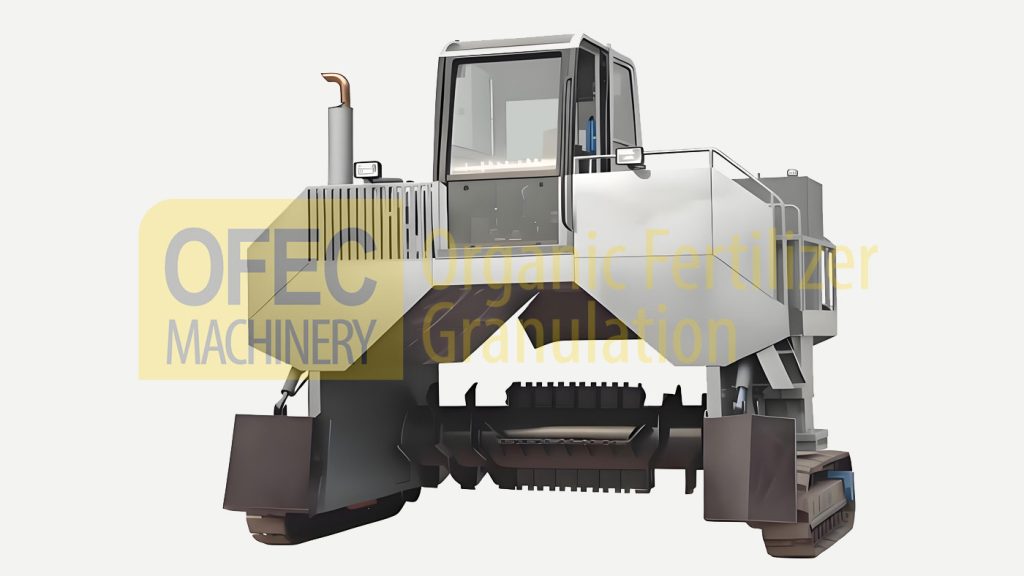
Hydraulic Compost Turner
Crawler-type running mechanism – suitable for small to medium-scale composting sites and complex terrain. Working width: 2–2.5 meters, turning depth: 0.8–1.2 meters. Highly maneuverable, capable of moving freely indoors and outdoors – ideal for projects with diverse raw materials and complex site conditions.
Wheel‑Type Compost Turner
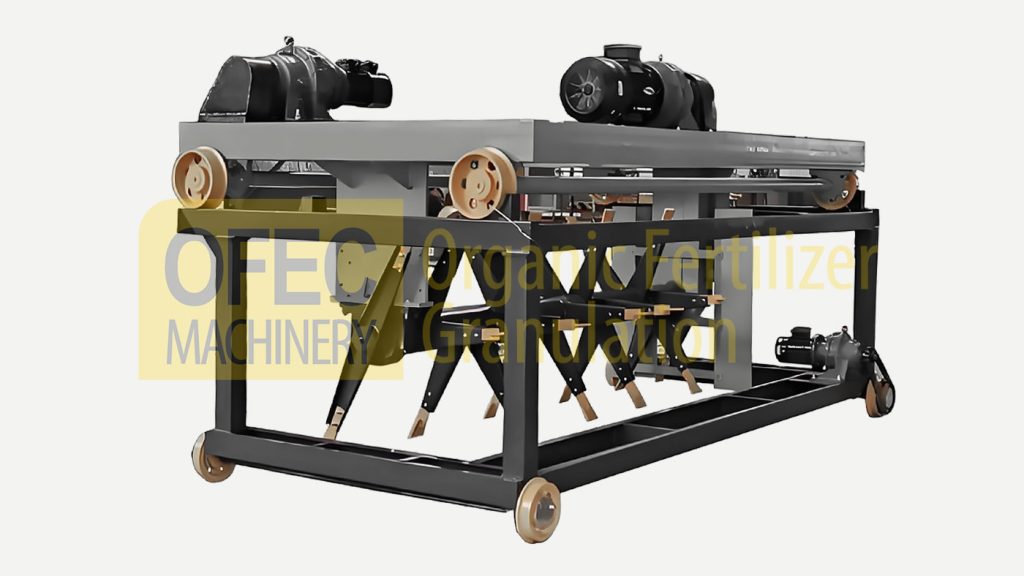
Large-span, deep-turning design – working width up to 4 meters, turning depth up to 1.8 meters. Suitable for large-scale continuous operations in extensive composting facilities. High processing capacity and efficiency – the core turning equipment for large composting plants.
Groove‑Type Compost Turner
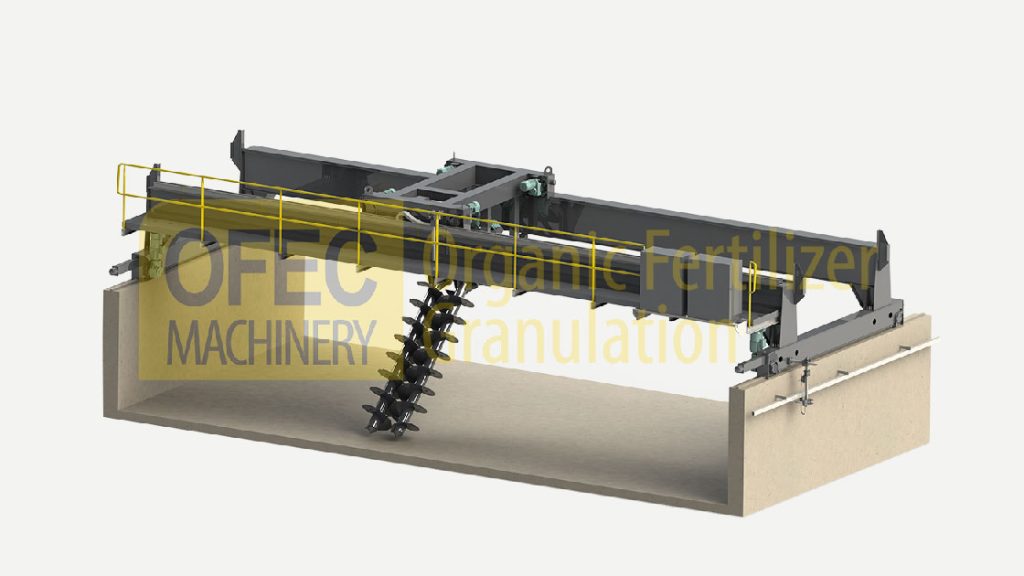
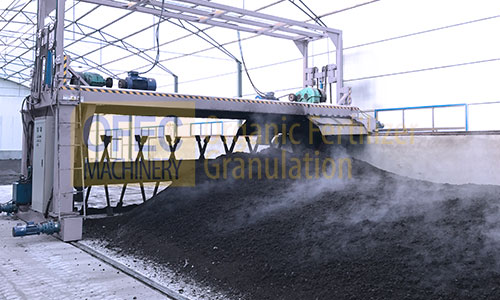
Paired with a transfer trolley, one machine serves multiple troughs – maximizing land utilization. Turning span customizable from 3 to 30 meters. Ideal for space-constrained sites with stringent environmental requirements. The trough structure facilitates exhaust gas collection and treatment, meeting increasingly strict emission standards.

Through regular turning, the compost pile receives sufficient oxygen, maintaining fermentation temperatures of 55–70°C – effectively eliminating pathogens, parasite eggs, and weed seeds while converting organic waste into stable, harmless humus fertilizer.
2. Pre-treatment System
Pre-treatment of compost raw materials directly affects fermentation efficiency and product quality. OFEC provides:
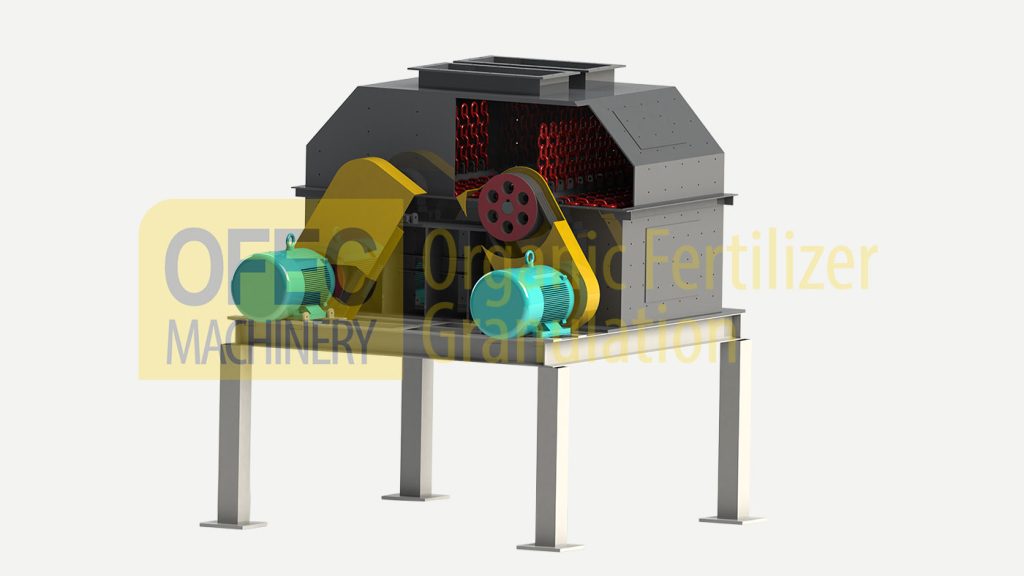
Crusher
Reduces large organic materials to optimal particle size – increasing specific surface area to accelerate microbial decomposition
Mixer
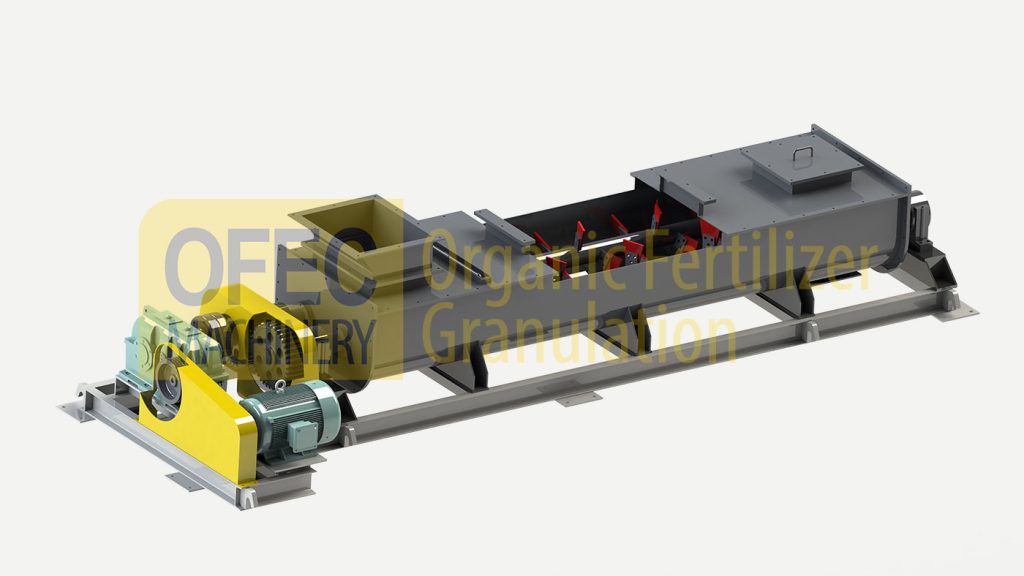
Thoroughly blends different raw materials with additives – adjusting moisture and C/N ratio to optimal ranges
Batching System
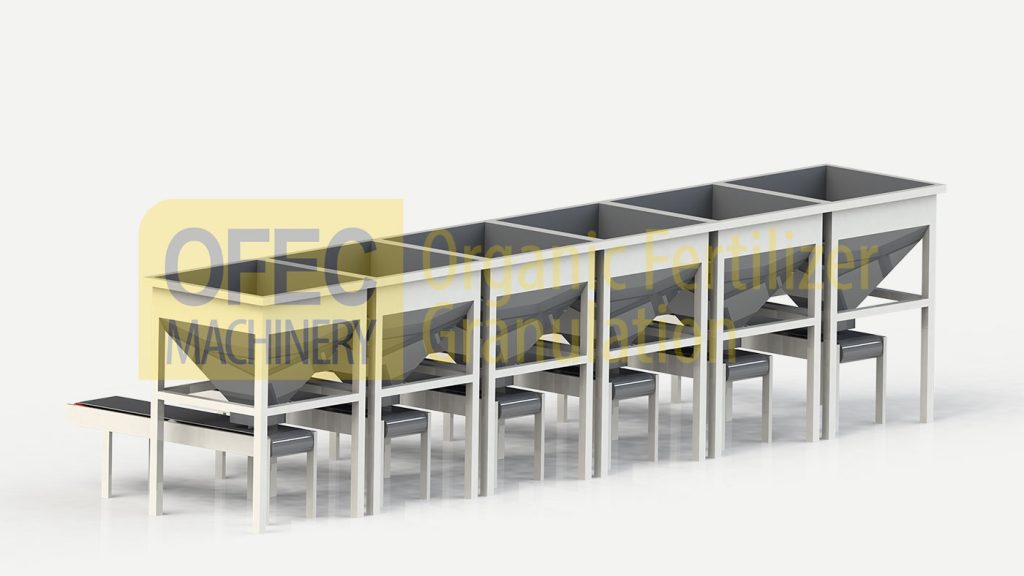
Automatically proportions additives and microbial cultures based on raw material characteristics
3. Granulation System

OFEC offers three mainstream granulation equipment types to suit different scales and production requirements:
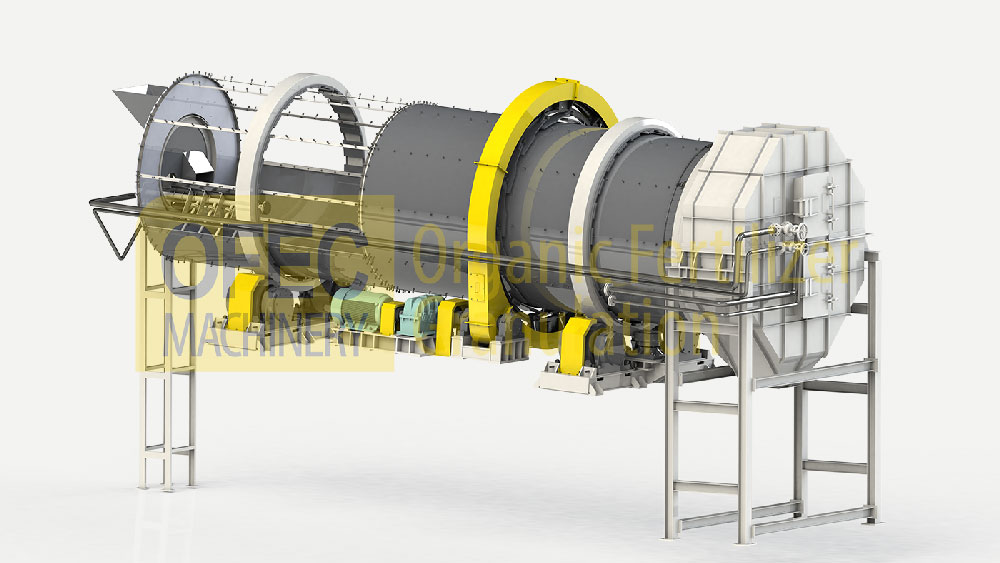
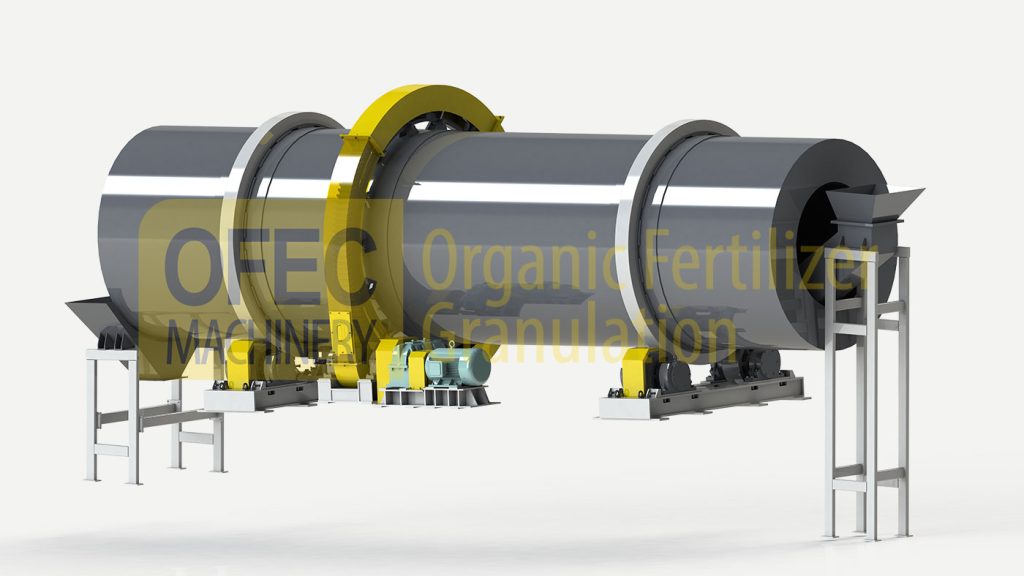
Drum Granulator
Ø0.8–4.5m, 1–200 TPH, customizable drum material, round & high-strength granules.
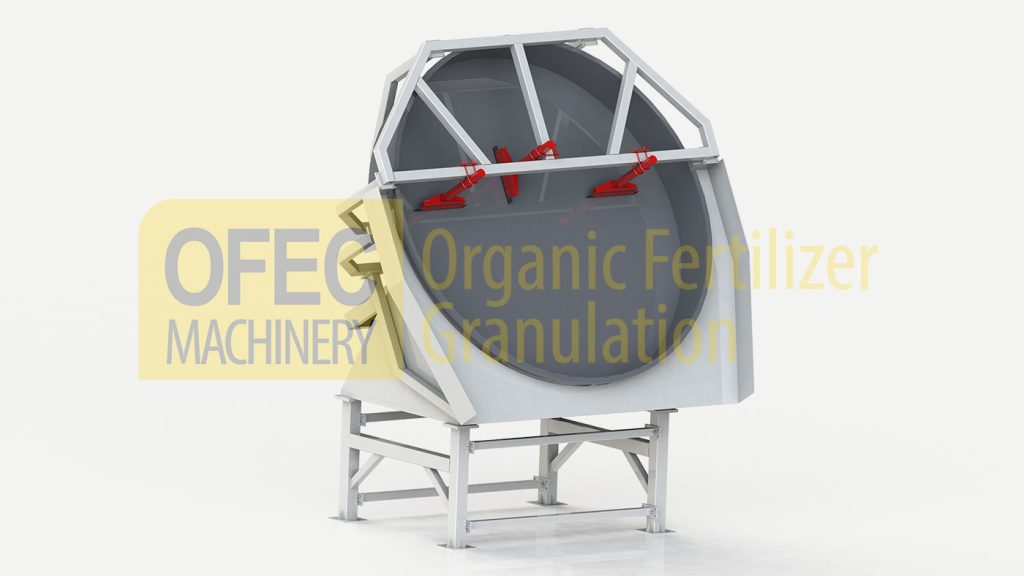
Disc Granulator
Ø0.5–4.5m, 5–15 TPH, adjustable angle, low investment, fast changeover.
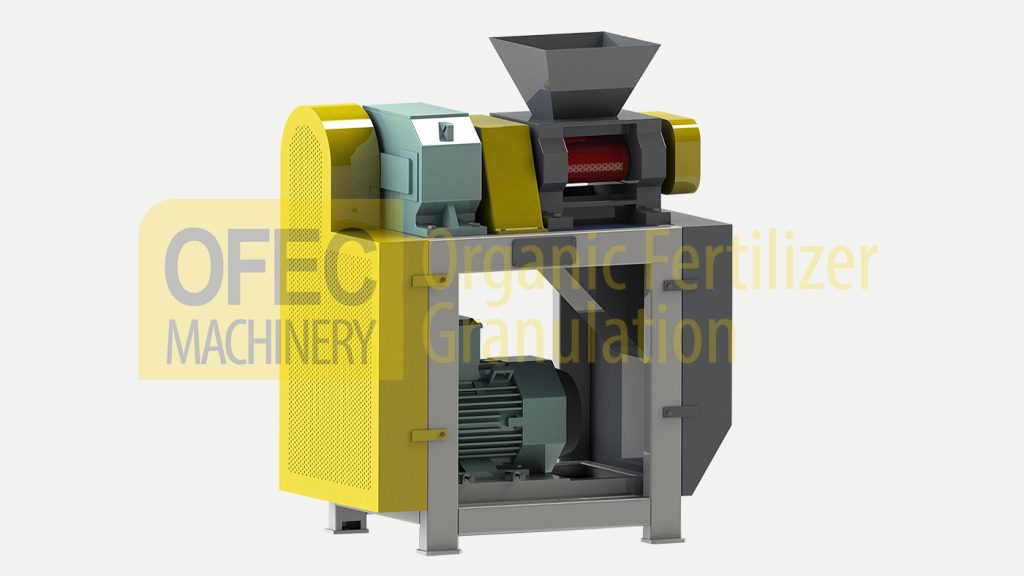
Roller Granulator

Characterized by dry granulation with no or low-temperature drying, low energy consumption, Capacity range: 1–5 TPH.
4. Drying & Cooling System
If further moisture reduction is required after granulation, a drying and cooling system can be configured:
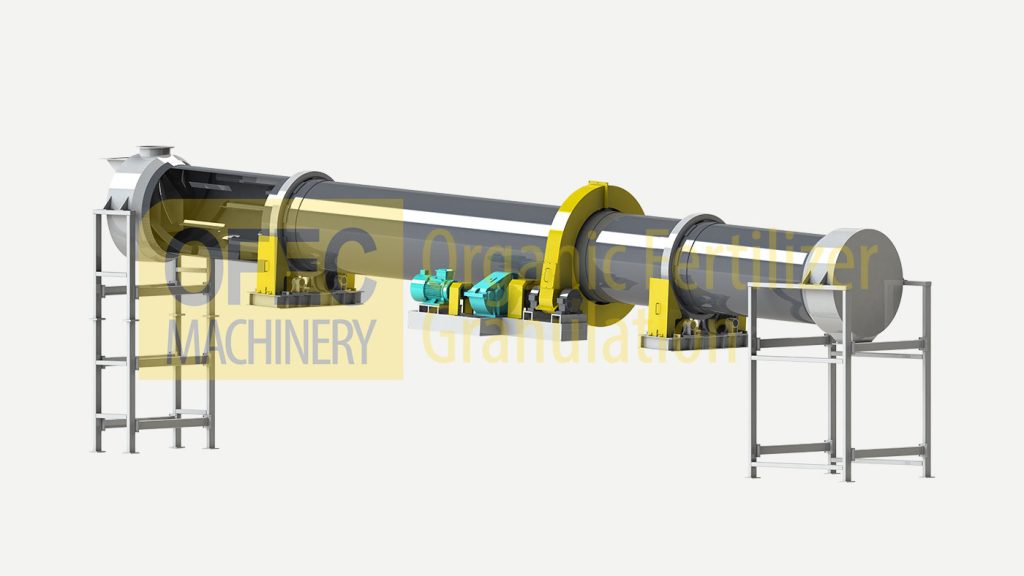
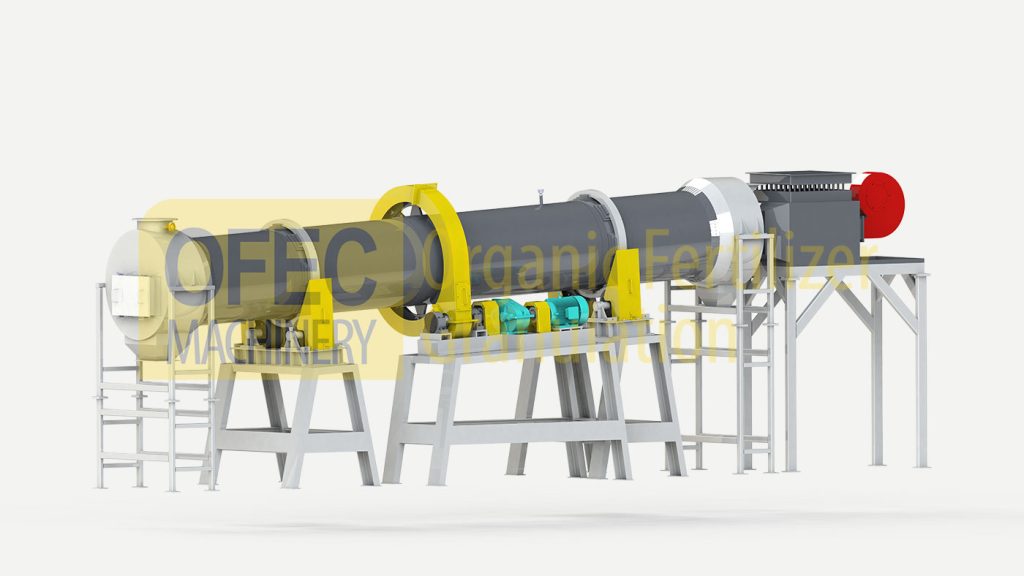
Rotary Dryer
Drum diameter 0.8–4.6 meters, capacity 1–200 TPH. Customizable lifting flights – fuel options include oil, natural gas, coal, or biomass.
Rotary Cooler
Counter-current air cooling design – effectively prevents caking and enhances pellet strength.
5. Screening & Packaging System
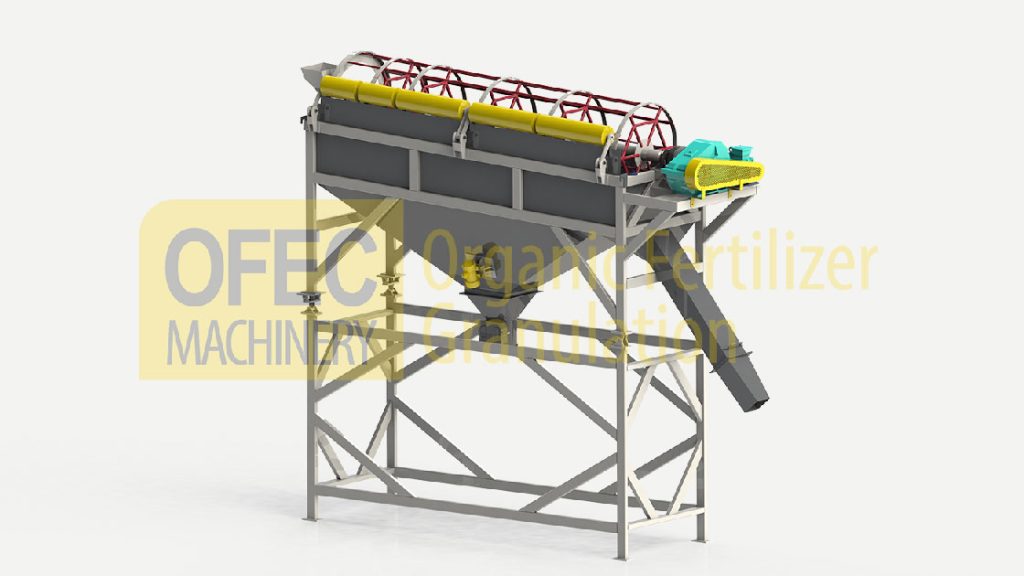
Trommel Screener
Screen drum diameter 0.8–2.5 meters, capacity 1–30 TPH. Equipped with cleaning brush device for precise grading.
Coating Machine
With drum diameters from 0.8 to 2.5 meters and capacities from 1 to 200 TPH, it features a reliable structure and flexible operation.
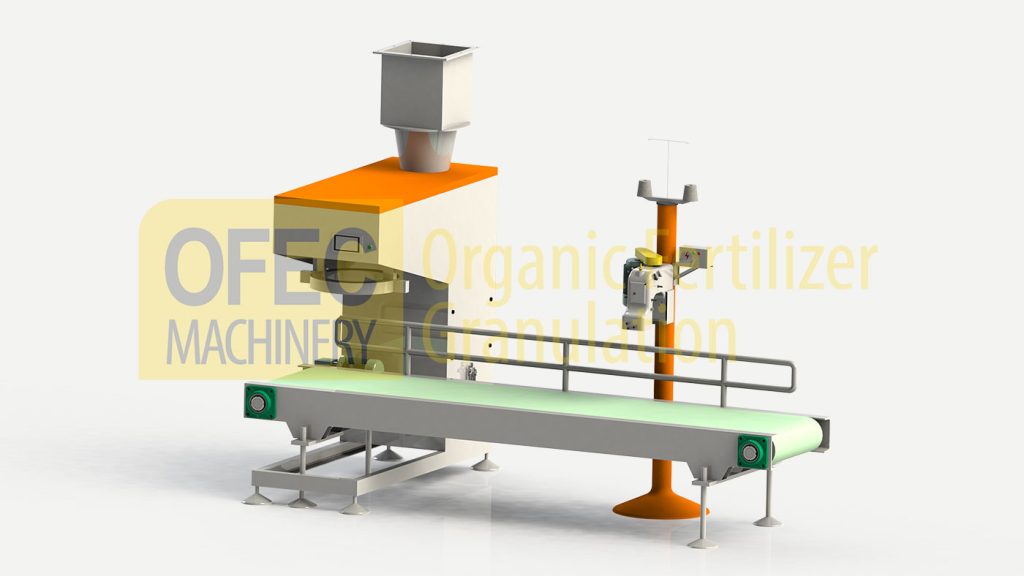
Automatic Packaging Machine
Covers ton bags, open-mouth bags, and valve bags – weighing accuracy better than ±0.2%. Optional automatic palletizing system available.

Solution Advantages

Flexible Fermentation Methods

Three turner types accommodate windrow, trough, and other fermentation processes

Complete Process Integration
Full-line equipment coverage from composting to finished product packaging
Flexible Capacity Options
Covering 0.5–30 t/h capacity range – suitable for everything from small pilot lines to large-scale industrial production
Comprehensive Environmental Protection
Dust collection, odor control, and exhaust gas treatment systems to meet environmental compliance requirements

Resources

Scroll to Top