




The resource value of biogas residue is masked by its processing difficulty.

Biogas residue is the solid remnant left after anaerobic digestion. Industry data shows it contains 30%–50% organic matter, 10%–20% humic acid, along with nitrogen, phosphorus, potassium, and various micronutrients. It also harbors beneficial microorganisms including indoleacetic acid producers, lactic acid bacteria, and Bacillus spp.
But processing biogas residue faces a real technical bottleneck: high moisture content and high viscosity.
Research indicates that the optimal initial moisture window for digestate granulation is 25%–35%. Below this range, the granulation process becomes economically unviable due to excessive energy consumption; above it, materials become sticky, cause blockages, and result in low pellet formation rates. Digestate freshly discharged from a biogas plant, however, typically has a moisture content exceeding 80%. The journey from 80% to 25%–35% represents a massive dewatering cost.
Conventional granulation equipment faces three common problems when processing biogas residue:
Wall buildup. High‑moisture digestate readily adheres to equipment interior surfaces, forming increasingly thick material layers. This not only reduces granulation efficiency but can lead to equipment blockages and shutdowns for cleaning. Each cleaning session takes anywhere from 30 minutes to several hours – steadily eroding effective production time.
Blockage. The fibrous and sticky components in digestate tend to clog feed inlets and die channels. Once a blockage occurs, the entire line is forced to halt.
Insufficient pellet strength. Even when pellets are formed, their strength and stability are often suboptimal. They tend to break and powder during storage and transport, defeating the purpose of granulation.
The real barrier to digestate fertilizer production is not “whether granulation is possible” – it’s “whether granulation can be performed consistently.”
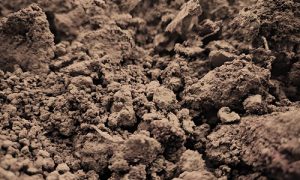
If equipment can only process digestate in its “ideal state” – with optimal moisture and viscosity – it has little practical value in large‑scale production. Because digestate quality is inherently variable: different feedstock batches, different fermentation conditions, and different seasons all affect moisture and viscosity.
A solution that truly addresses digestate granulation challenges must possess three capabilities:
Tolerance for high moisture content. Not requiring digestate to be “reduced to a specific moisture level before processing,” but capable of stable operation across a wider moisture range.
Adaptability to sticky materials. Able to handle viscous materials without frequent blockages or wall buildup, reducing the frequency of cleaning‑related downtime.
Resilience to feedstock variability. When digestate quality changes, the equipment should be able to adapt quickly through parameter adjustments, rather than “shutting down.”