




Biogas Residue Fertilizer
OFEC provides complete equipment and process solutions for the resource utilization of biogas residue, transforming it into marketable organic fertilizer. With capacities ranging from 0.5 to 30 tons per hour, our solutions are scalable to suit everything from small pilot plants to large-scale industrial production.
Industry Overview
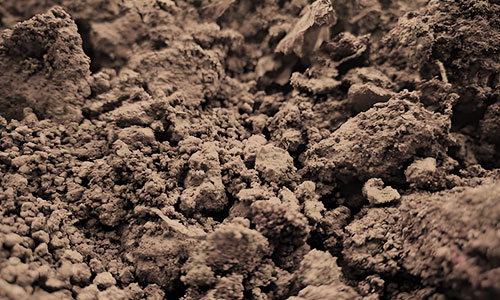
Biogas residue fertilizer is the solid remnant left after biogas fermentation. It is rich in organic matter, humic acid, nitrogen, phosphorus, potassium, and a wide range of micronutrients. Typically, biogas residue contains 30%–50% organic matter, 10%–20% humic acid, 0.8%–2.0% total nitrogen, 0.4%–1.2% total phosphorus, and 0–2.0% total potassium. In addition, it provides essential trace elements such as zinc, selenium, magnesium, various amino acids, vitamins, auxins, and multiple active enzymes – all of which are readily absorbed by plants.
Moreover, biogas residue harbors beneficial microorganisms including indoleacetic acid producers, lactic acid bacteria, Bacillus spp., and gibberellin‑producing strains. These microbes promote plant growth, suppress pathogens, and eliminate pest eggs, making biogas residue both a fertilizer and a biological pesticide.
Typical Process Flow
Process Stage Breakdown:
Stage | Core Task | Key Equipment |
Raw Material Collection | Collection, dewatering, and storage of biogas residue | Conveying systems, storage bins |
Dewatering Pre‑treatment | Reducing moisture content to suitable processing range | Solid‑liquid separator, dewatering unit
|
Reducing lumps to optimal particle size | Semi-wet material crusher | |
Adding auxiliary materials based on residue characteristics, thorough blending | ||
Forming powder materials into uniform pellets | ||
Reducing pellet moisture content to safe storage levels | ||
Separating finished pellets from returns | Trommel screener | |
Anti-caking or functional coating treatment (optional) | ||
Packaging & Storage | Automatic weighing, bagging, and palletizing | Automatic packaging machine, palletizing system |
Conveying systems, storage bins
Reducing moisture content to suitable processing range
Packaging & Storage
Automatic packaging machine, palletizing system
OFEC offers two mainstream granulation lines with complete equipment and process solutions for biogas residue fertilizer production, covering all core processes from raw material handling to finished product packaging. For smaller-scale investors, we also provide the E1 Fertilizer Production Station – a compact, combined granulation line.
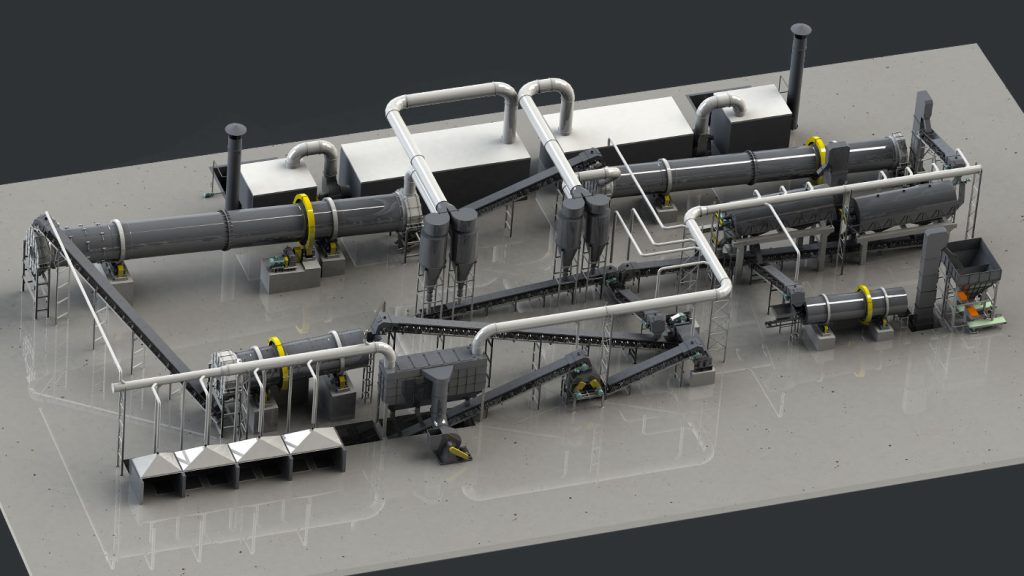
Drum Granulation Line
Characterized by high single-unit capacity and closed-loop design, suitable for large-scale, high-output organic fertilizer production. Produces round, uniform granules with high strength. Capacity range: 3–30 TPH.
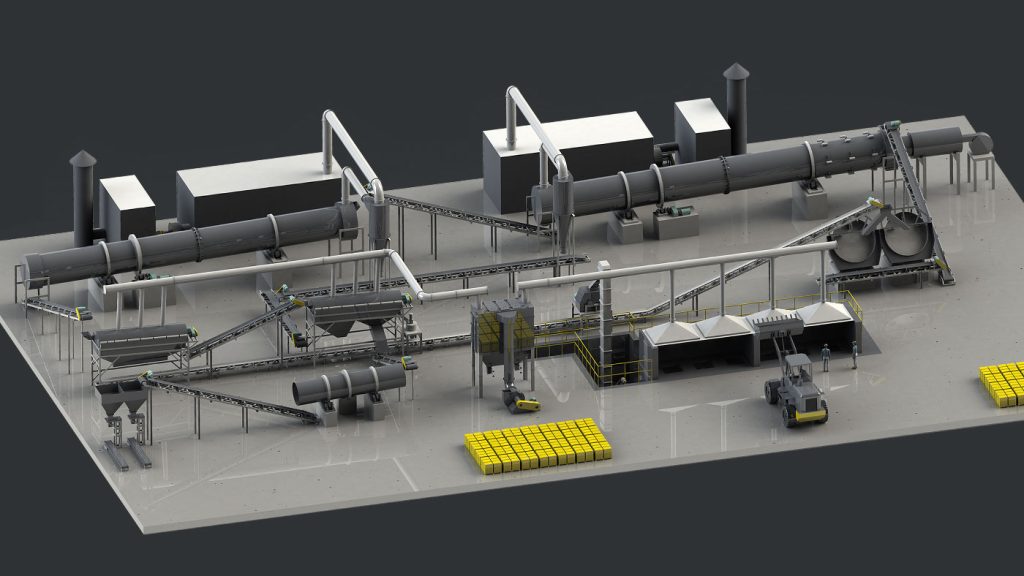
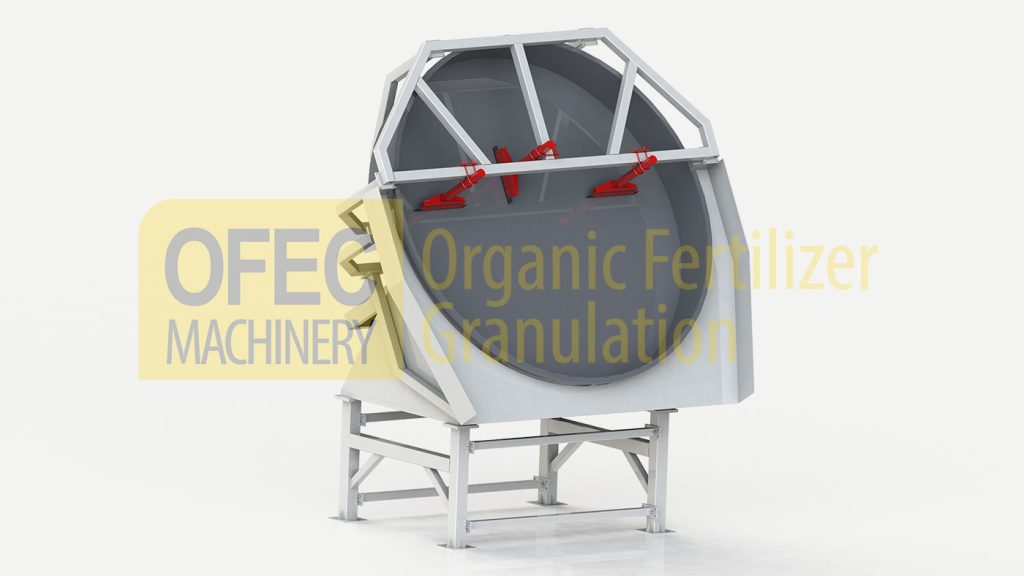
Disc Granulation Line
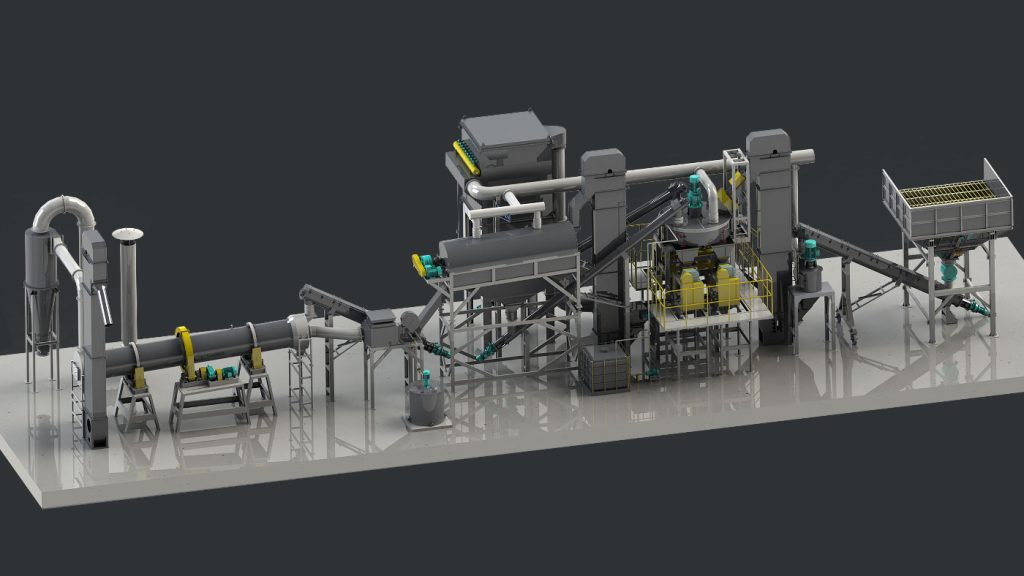
Extrusion Granulation Line
Characterized by dry granulation with no or low-temperature drying, low energy consumption, and high pellet density. Produces dense, columnar or flat-spherical granules with high strength. Capacity range: 1–5 TPH.
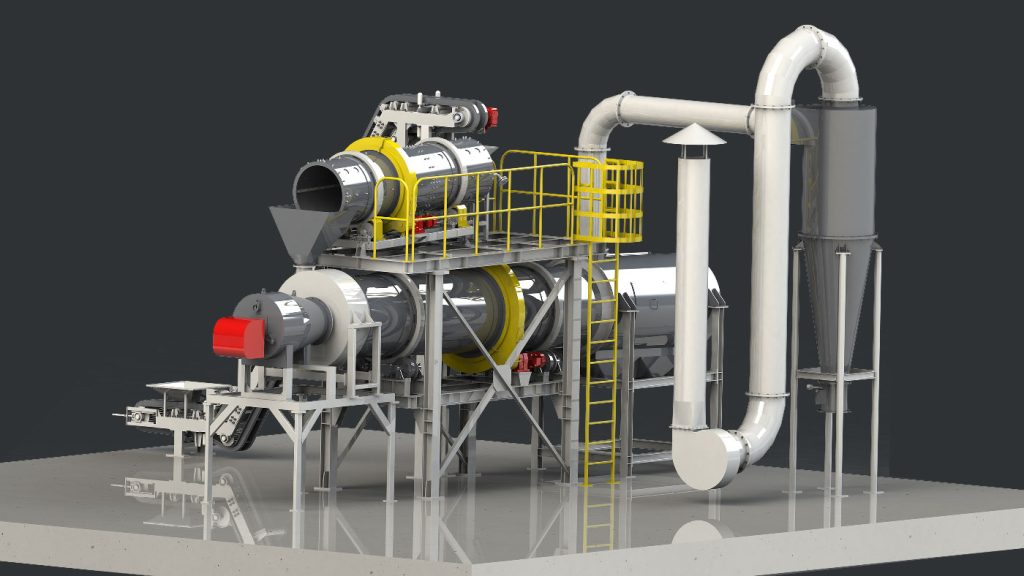
E1 Fertilizer Production Station
OFEC provides comprehensive equipment and process solutions for biogas residue fertilizer production, covering all core processes from raw material handling to finished product packaging.
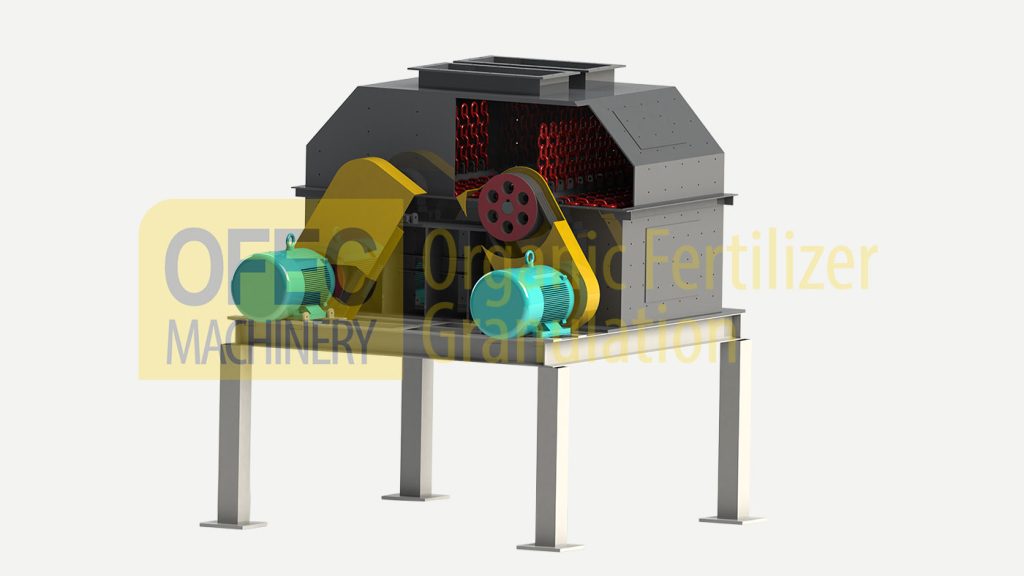
Semi-wet Material Crusher
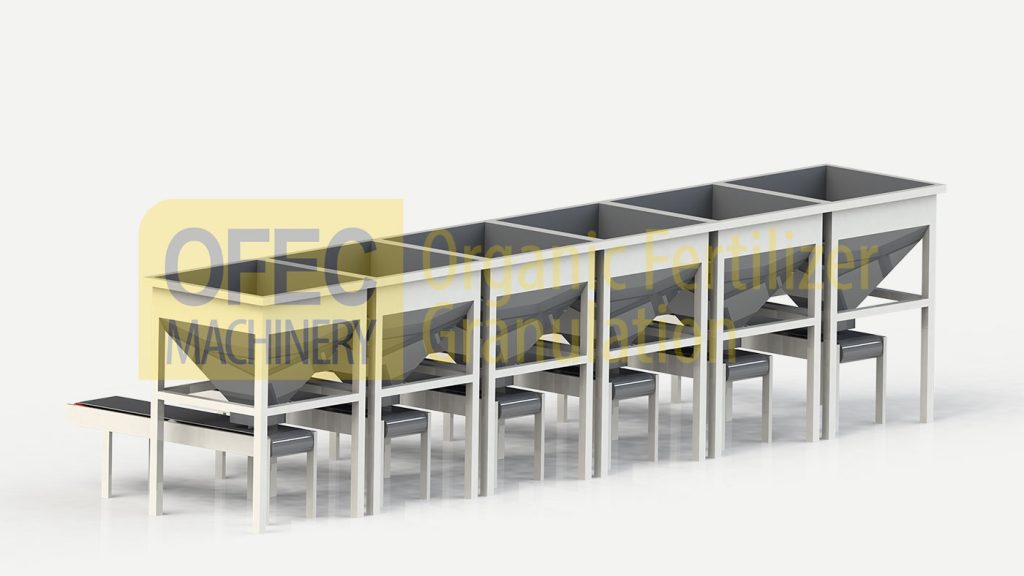
Batching System
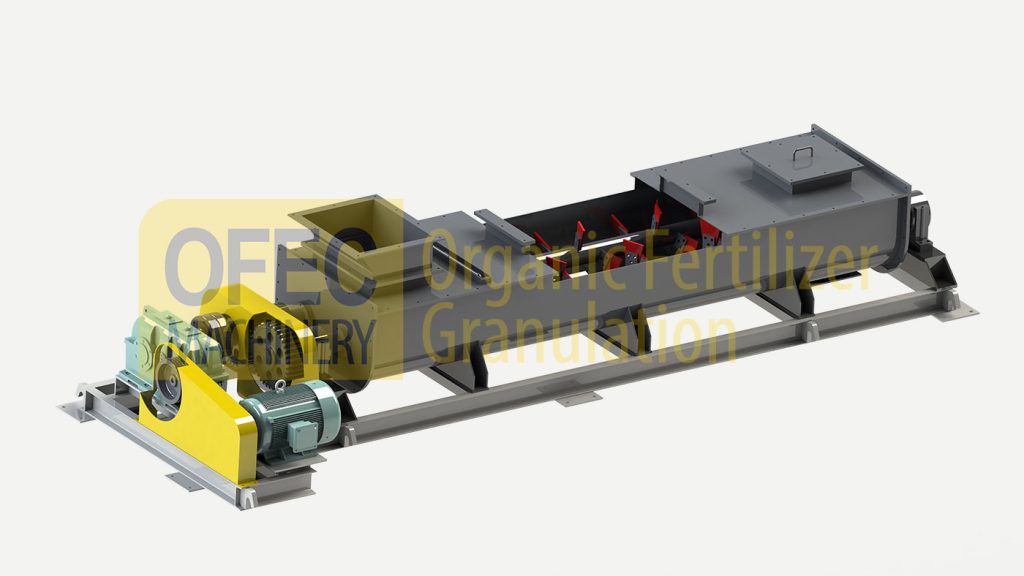
Twin-Shaft Mixer
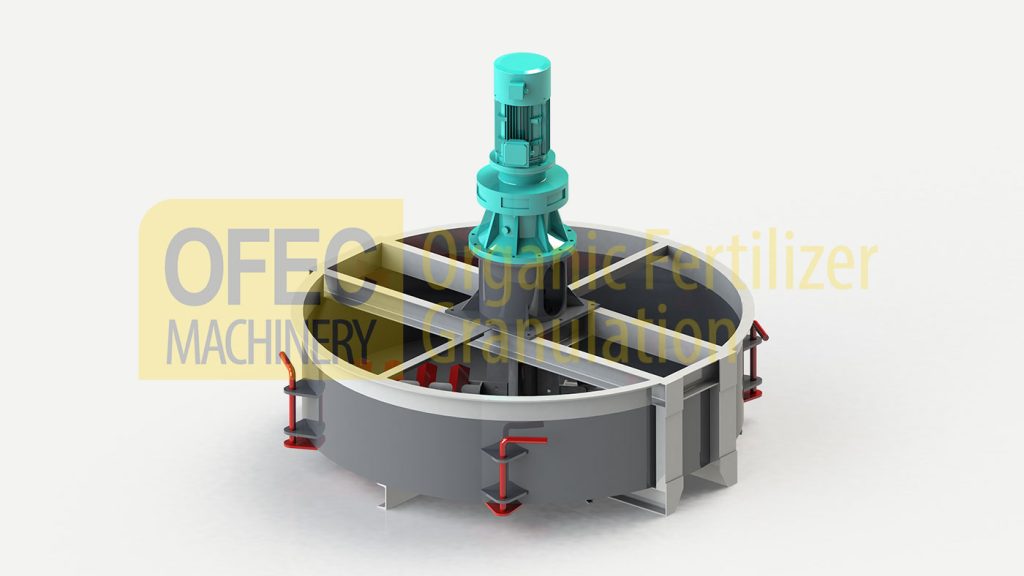
Disc Mixer
OFEC offers three mainstream granulation equipment types to suit different scales and production requirements:
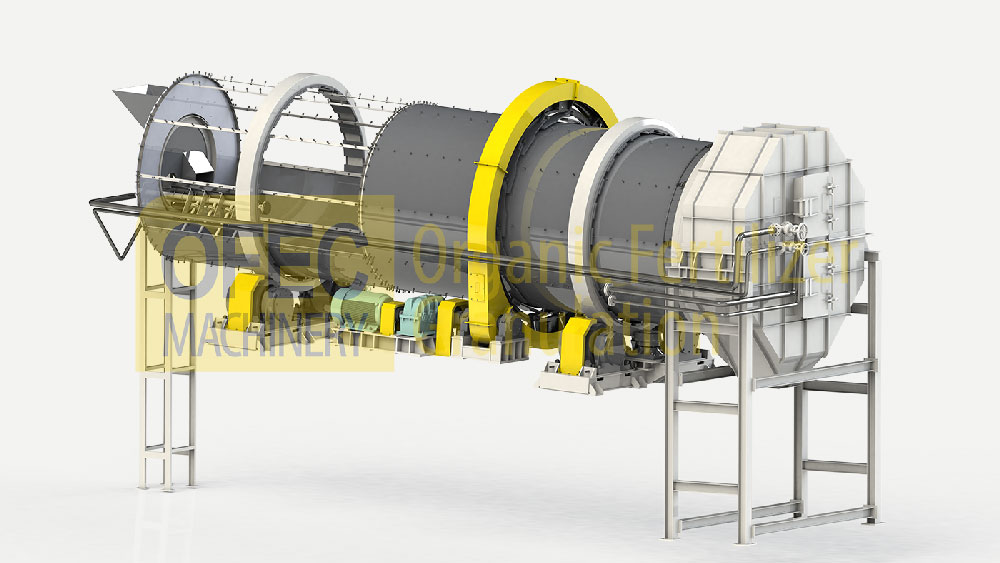
Drum Granulator
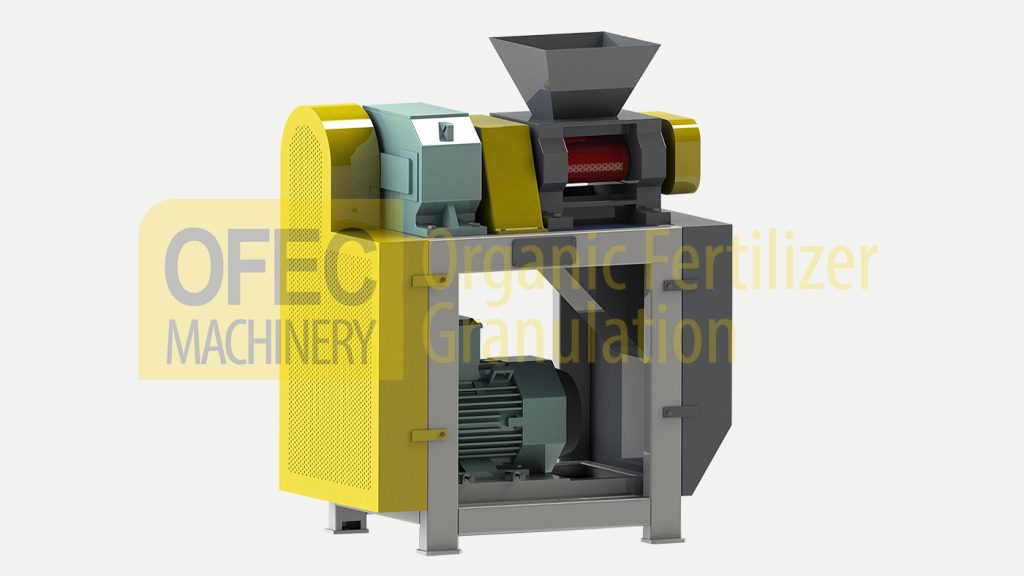
Roller Granulator
Characterized by dry granulation with no or low-temperature drying, low energy consumption, Capacity range: 1–5 TPH.
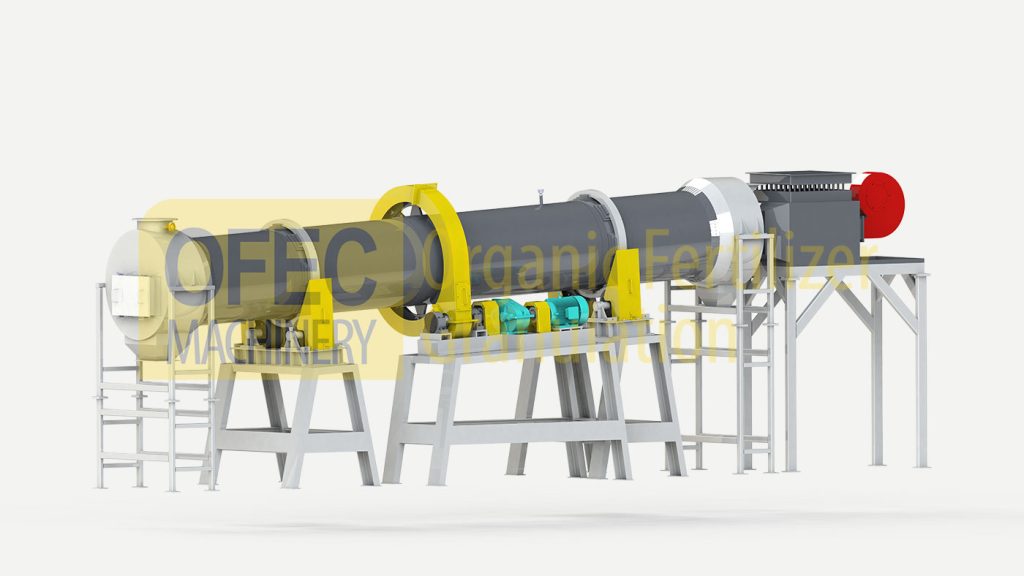
Rotary Dryer
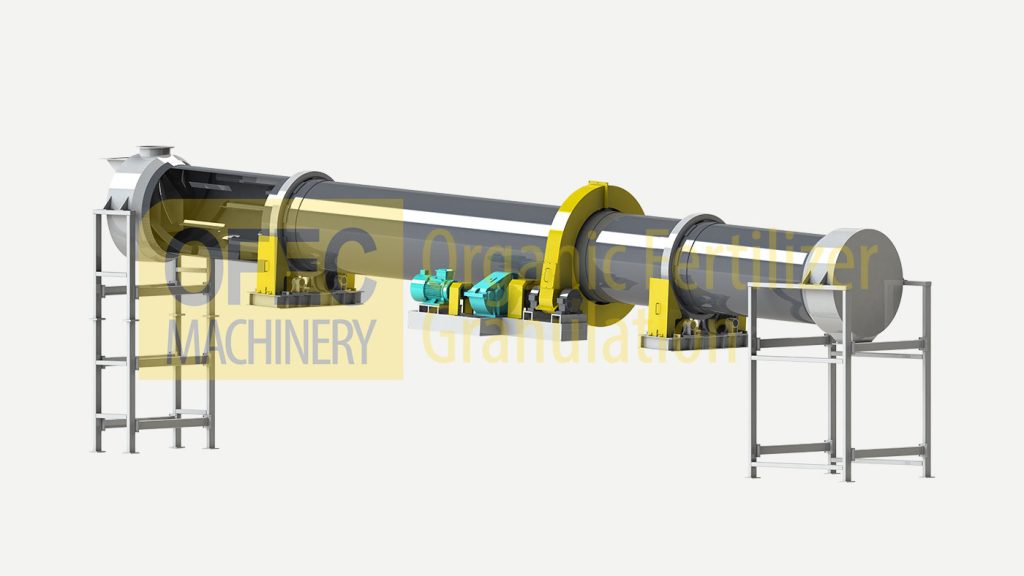
Rotary Cooler
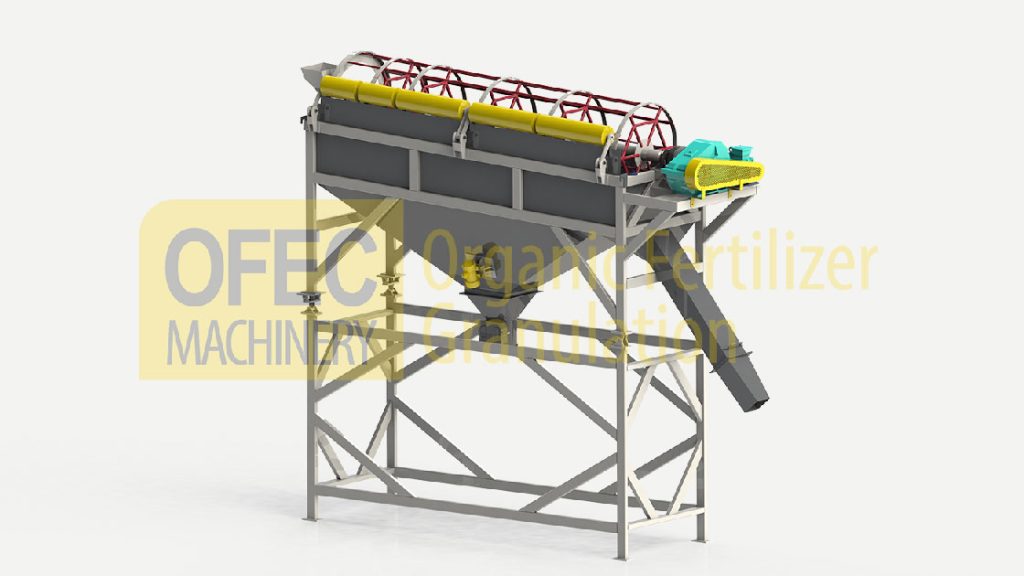
Trommel Screener
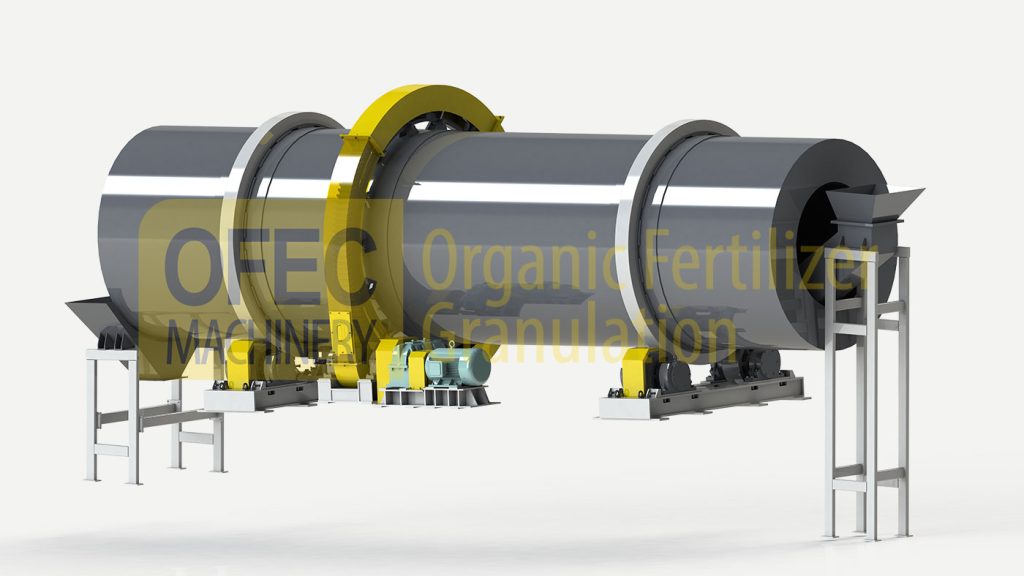
Coating Machine
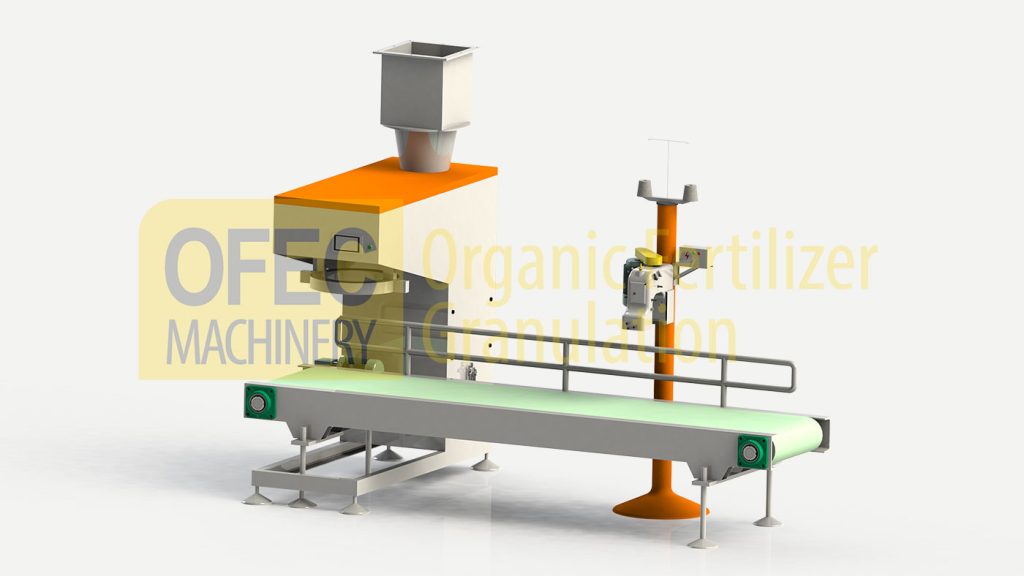
Automatic Packaging Machine
Solution Advantages
Nutrient Preservation
Gentle processing retains maximum organic matter, humic acid, and beneficial microorganisms in the residue.
Complete Process Integration
Full-line equipment coverage from dewatered cake conditioning to finished product packaging
Flexible Capacity Options
Comprehensive Environmental Protection
Resources
How Many Biogas Plants Are Losing Money Because of High‑Moisture Granulation Challenges?
Biogas plants solve the energy recovery challenge from organic waste,