




1. The Energy Equation: Eliminating the Dryer Changes Everything
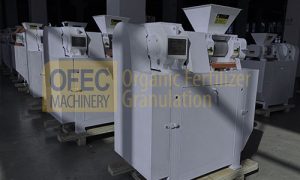
The roller granulator produces pellets with a moisture content of only 5%–12% (organic fertilizer)– dry enough for immediate packaging. In contrast, wet granulation processes (drum and disc) produce pellets at 15%–30% moisture, requiring significant thermal energy to bring them down to storage-safe levels.
The cumulative effect is substantial. Overall energy consumption is reduced by 30%–50% compared to wet granulation systems. For a mid-sized organic fertilizer plant, this translates into tens of thousands of dollars in annual fuel savings – and the gap widens further in regions with high energy costs.
Beyond the fuel bill, eliminating the drying system also removes:
- The hot-blast stove and its maintenance
- The dryer drum and its wear parts
- The dust collection system for dryer exhaust
- The emission permits and compliance monitoring
2. Heat-Sensitive Materials: A Solution for Bio-Organic Fertilizers
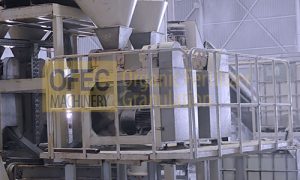
One of the most overlooked advantages of the roller granulator is its ability to process heat-sensitive materials without damaging them.
Bio-organic fertilizers – those containing beneficial microbes, enzymes, or other biological additives – are increasingly in demand. But these additives are temperature-sensitive. Wet granulation processes that require high-temperature drying (often 80–120°C) can kill or significantly reduce microbial viability.
The roller granulator operates at ambient temperature. No heat is applied during granulation. With microbial survival rates exceeding 90%, it preserves the biological activity that gives bio-organic fertilizers their premium market value.
For producers targeting the bio-organic segment, this is not a minor advantage – it’s a competitive necessity.
3. The Investment Case: Lower CAPEX, Faster ROI
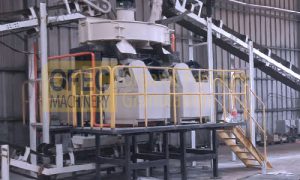
The roller granulator sits in the mid-range of equipment investment – more than a disc granulator, but significantly less than a drum granulator with its full drying train.
But the real story is operating cost:
| Cost Driver | Roller Granulator | Wet Granulation (Drum/Disc) |
| Drying system | Not required | Required ($15,000+ investment) |
| Fuel consumption | None (for drying) | Ongoing fuel bill |
| Water consumption | None | Significant (process water + cooling) |
| Emissions control | Minimal (dust only) | Complex (dust + combustion gases) |
| Maintenance | Roller shells & bearings | Dryer, burner, ductwork, dust collector |
Fast return on investment is a documented advantage. Low initial cost, short startup time, and minimal ongoing fuel expenses make the roller granulator particularly attractive for small to medium enterprises and startup projects. The payback period is often measured in months rather than years – especially in energy-cost-sensitive markets.
4. Operational Simplicity: 1–2 People, Minimal Training
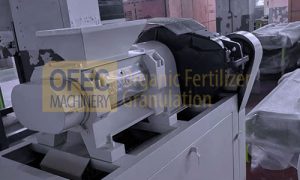
The roller granulator is designed for operational efficiency:
- Staffing: Operable by 1–2 persons
- Maintenance: Focused primarily on roller shells and bearings – no complex transmission or sealing systems to maintain
- Space: Occupies only 2–3 m² – ideal for space-constrained facilities
For projects in remote locations or with limited technical staff, this simplicity translates directly into lower operating costs and less downtime.
5. The Granule Trade-Off: Shape vs. Strength
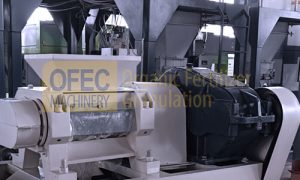
Roller granulator pellets are columnar or irregular in shape – not as visually appealing as the spherical pellets from disc or drum granulators. But for most organic fertilizer applications, strength matters more than shape.
The 20–30 MPa high-pressure forming process produces dense, strong pellets with a granulation rate exceeding 93%. This translates into:
- Lower breakage during transport and storage
- Less dust in handling and application
- Better slow-release characteristics due to higher density
- No nutrient dilution – no binders or water added
For bulk buyers, industrial applications, and long-distance shipping, these characteristics often outweigh the aesthetic preference for round granules.