



Conveying Equipment
Product Overview
Belt Conveyor
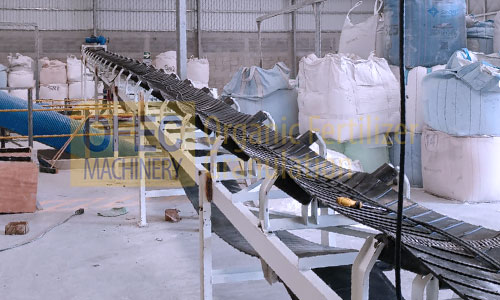
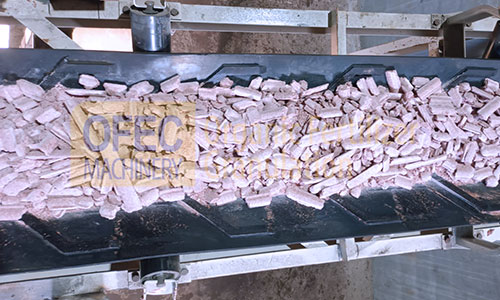
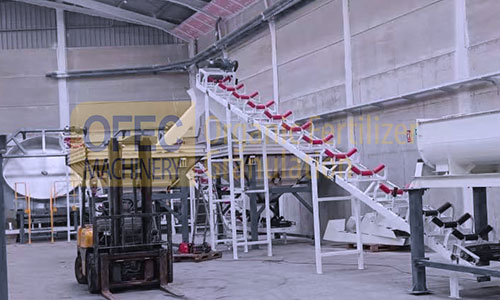
Belt conveyors offer flexible conveying distances, simple assembly, easy operation, and low power consumption. They are the most commonly used horizontal or inclined conveying equipment in organic fertilizer production lines.
The belt conveyor mainly consists of the following components:
● A – Head Frame: Head support structure
● B – Tail Frame: Tail support structure
● C – Main Frame Connecting Plate: Connects the main frame
● D – Feed Chute Assembly: Guides material onto the belt
● E – Drive Pulley: Drives the belt
● F – Bend Pulley: Changes belt running direction
● G – Support Legs: Supports the entire machine
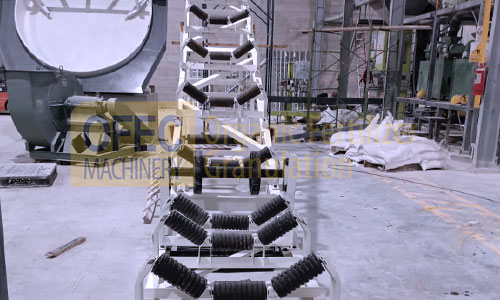
● H – Troughing Idler Set: Carries material, forming a trough-shaped cross-section
● I – Impact Idler Set: Cushions material drop impact
● J – Guide Roller: Prevents belt misalignment
● K – Return Idler Set: Supports the return belt
● L – Belt: Conveying medium
● M – Bearing with Slide Base: Support component
● N – Bearing with Pillow Block: Support component
● O – Motor: Power source
● P – Guard Cover: Safety protection
● Head Frame: Head support structure
● Tail Frame: Tail support structure
● Main Frame Connecting Plate: Connects the main frame
● Feed Chute Assembly: Guides material onto the belt
● Drive Pulley: Drives the belt
● Bend Pulley: Changes belt running direction
● Support Legs: Supports the entire machine
● Troughing Idler Set: Carries material, forming a trough-shaped cross-section
● Impact Idler Set: Cushions material drop impact
● Guide Roller: Prevents belt misalignment
● Return Idler Set: Supports the return belt
● Belt: Conveying medium
● Bearing with Slide Base: Support component
● Bearing with Pillow Block: Support component
● Motor: Power source
● Guard Cover: Safety protection
Bucket Elevator
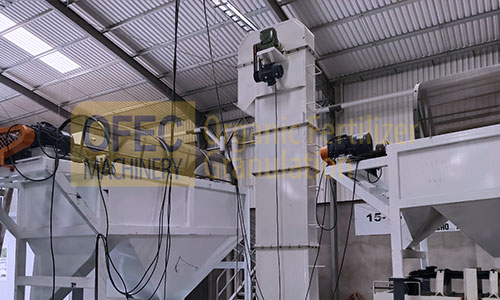
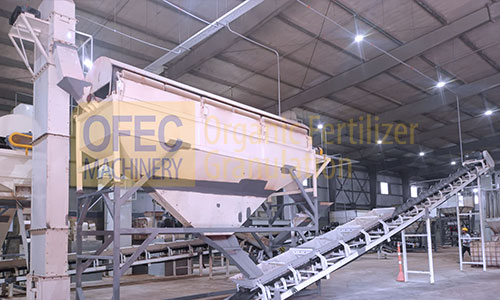
The bucket elevator is a widely used vertical conveying equipment in production lines, suitable for vertically lifting materials from low to high positions, saving floor space and improving space utilization.
The bucket elevator mainly consists of the following components:
● A – Base Assembly: Bottom support structure
● B – Casing: Protective housing
● C – Head Assembly: Top drive component
● D – Feed Inlet: Material entry point
● E – Discharge Outlet: Material discharge point
● F – Maintenance Platform: Facilitates inspection and maintenance
● G – Motor: Power source
● H – Reducer: Reduces speed, increases torque
● I – Square Bearing: Support component
● J – Chain: Drive component
● K – Bucket: Carries material
● L – Sprocket: Drive component
● M – Pulley: Drive component
● Base Assembly: Bottom support structure
● Casing: Protective housing
● Head Assembly: Top drive component
● Feed Inlet: Material entry point
● Discharge Outlet: Material discharge point
● Maintenance Platform: Facilitates inspection and maintenance
● Motor: Power source
● Reducer: Reduces speed, increases torque
● Square Bearing: Support component
● Chain: Drive component
● Bucket: Carries material
● Sprocket: Drive component
● Pulley: Drive component
Screw Conveyor
The screw conveyor is a device that uses a motor-driven rotating screw to move materials for conveying purposes. It is particularly suitable for closed conveying of powdery and granular materials, and can be arranged horizontally or inclined.
The screw conveyor mainly consists of the following components:
● A – Mounting Base: Supports the entire equipment
● B – Trough: Material conveying channel
● C – Feed Inlet: Material entry point
● D – Discharge Outlet: Material discharge point
● E – Raw Material Hopper: Temporarily stores material
● F – Main Shaft: Transmits power
● G – Screw Blade: Pushes material forward
● H – Trough Support: Supports the trough
● I – Motor: Power source
● Mounting Base: Supports the entire equipment
● Trough: Material conveying channel
● Feed Inlet: Material entry point
● Discharge Outlet: Material discharge point
● Raw Material Hopper: Temporarily stores material
● Main Shaft: Transmits power
● Screw Blade: Pushes material forward
● Trough Support: Supports the trough
● Motor: Power source
Advantages of Proper Design
Through properly designed conveying systems, production line operation and plant management will benefit significantly:
● Optimized production line efficiency
● Higher output
● Better process control capability
● Reduced labor requirements
● Improved safety
● Reduced cleaning work
● Reduced troubleshooting and maintenance downtime
● Extended equipment service life
Features and Benefits
Flexible Conveying Distance
Flexible Assembly
Simple Structure
Easy Operation
Low Power Consumption